





Where to see wildflowers
- See & do
- Golden Outback Wildflowers
- Where to see wildflowers
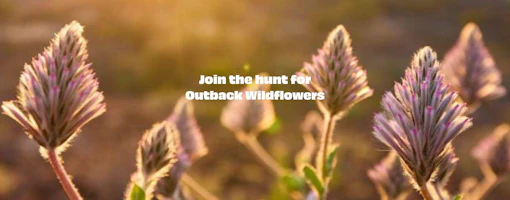
There is nowhere better to experience the world-famous Western Australian wildflowers than the Golden Outback - where orchids and everlastings carpet the landscapes in colour each spring.
Home to the biggest display of wildflowers in the world - both in size and in species - Western Australia puts on quite the show to celebrate the end of winter every year. In fact, with over 12,000 different varieties, the Golden Outback is the most diverse wildflower region on Earth, making it perfect for a springtime adventure!
During WA’S wildflower season - which runs from July to November every year - you can see wildflowers popping up all across the region, with pink, white purple and yellow everlastings as far as the eye can see in the Gascoyne-Murchison and the Goldfields, jewel-like orchids and the famous wreath flower in the Wheatbelt and the rather unusual-looking royal hakea in Fitzgerald River.
From hidden groves and reserves to billion-year-old granite rocks and national parks where the wildflowers outnumber the people by a million, read on to discover more about the best places to see wildflowers in Western Australia’s Golden Outback.
Let's jump in:
Top Tips for Wildflower Spotting
Wildflower season in WA can vary year on year, with some better than others. The best indication of whether it will be a bumper wildflower season is how much it rains over winter - the wetter the better, in this case!
Still, that doesn’t mean you won’t be able to see wildflowers on a bad year - they just might not be quite as epic, especially up in the Gascoyne-Murchison and the Goldfields. Luckily, the Wheatbelt and Esperance usually always manage to put on an impressive display, particularly on the orchid front.
Given how much we all love wildflowers in WA, there should be predictions made about the upcoming wildflower season that start in the winter, so keep an eye out for them. Another great way to find out how things are looking and when things have started flowering is to get in touch with the relevant Visitor Centre for the area you’re looking at too.
Where to see Wildflowers in the Gascoyne-Murchison
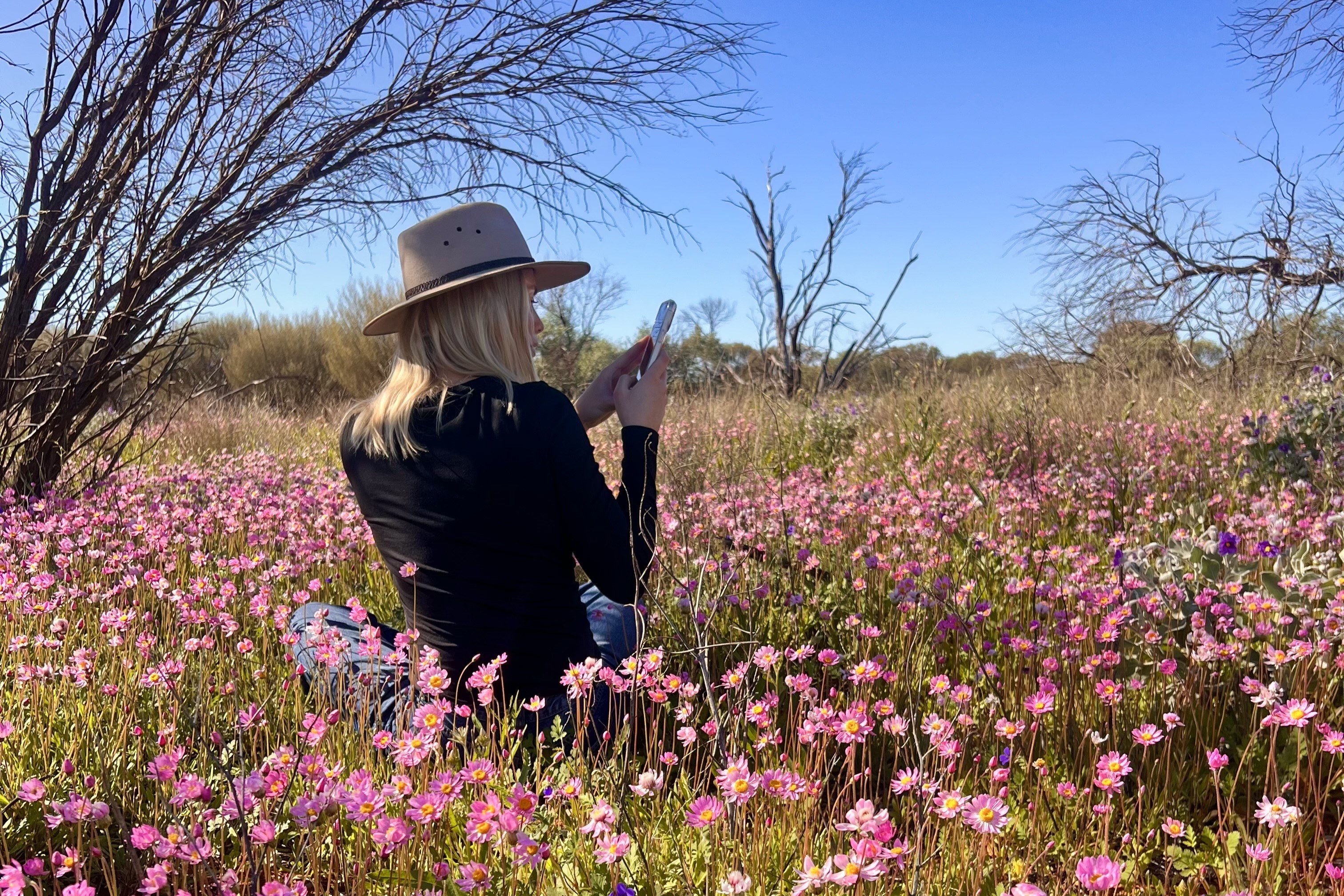
Wildflower season officially kicks off in the Gascoyne-Murchison around late July/early August and lasts several months, slowly following the sun south as the season progresses. Unfortunately, the drier regions are very much subject to the whim of the weather, so the wildflowers can be a little sparse after a dry winter.
Still, on a good year, the wildflowers in the Gascoyne-Murchison can be some of the best. It not only has the earliest flowers in the region, but it’s also usually quieter, meaning you can have all the flowers - and the stunning ancient landscapes - all but to yourself.
You can expect to find mulla mulla, scarlet red sturt desert pea, everlastings, native cornflower, eremophilia, flannel bush, cassias, acacias, bachelor buttons and golden billy buttons, to name just a few.
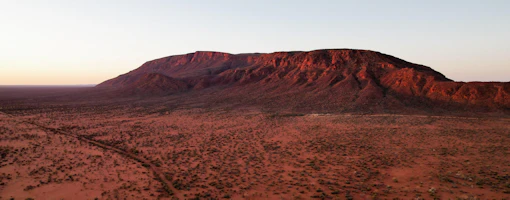
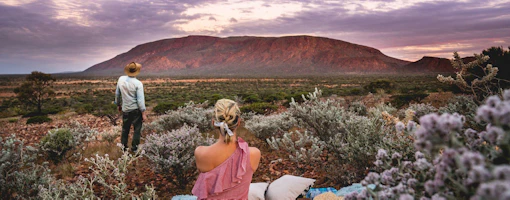
• Mount Augustus - the contrast between huge Mount Augustus (2.5x the size of Uluru) and the delicate wildflowers that grow here make this a total wildflower bucket list spot.
• Kennedy Range - between Mount Augustus & Carnavon, the waterfalls & gorges of Kennedy Range NP are some of the best places to see wildflowers on a bumper wildflower year.
• Gascoyne Junction - there are usually beautiful wildflowers to be found on the walking trails alongside the Gascoyne River. Bilung Pool is also worth a visit.
• Murchison - Wildflower Walk, short loop in the Shire of Murchison Settlement. Embark on a guided walk through the natural bush of Murchison Settlement, featuring informative signs that identify local trees and shrubs. Along the short loop, you'll encounter educational boards and a demonstration site by the Department of Agriculture Monitoring.
• Cue & Mount Magnet - keep your eyes out for carpets of everlastings around town.
• Paynes Find - the gateway to the Murchison, you can find everlastings and wattles brightening up the red roadsides around this old gold-mining hub.
• Yalgoo - a popular spot for seeing wreath flowers, there are also everlastings and orchids to be found around this historic town.
• Woolen Station, Nalbarra Station and Melangata Station – these vast stations are home to many wildflower species including everlastings and mulla mulla.
For more inspiration, check out the Road to the Rock road trip or read more about where to find the best wildflowers.
Where to see Wildflowers in the Wheatbelt
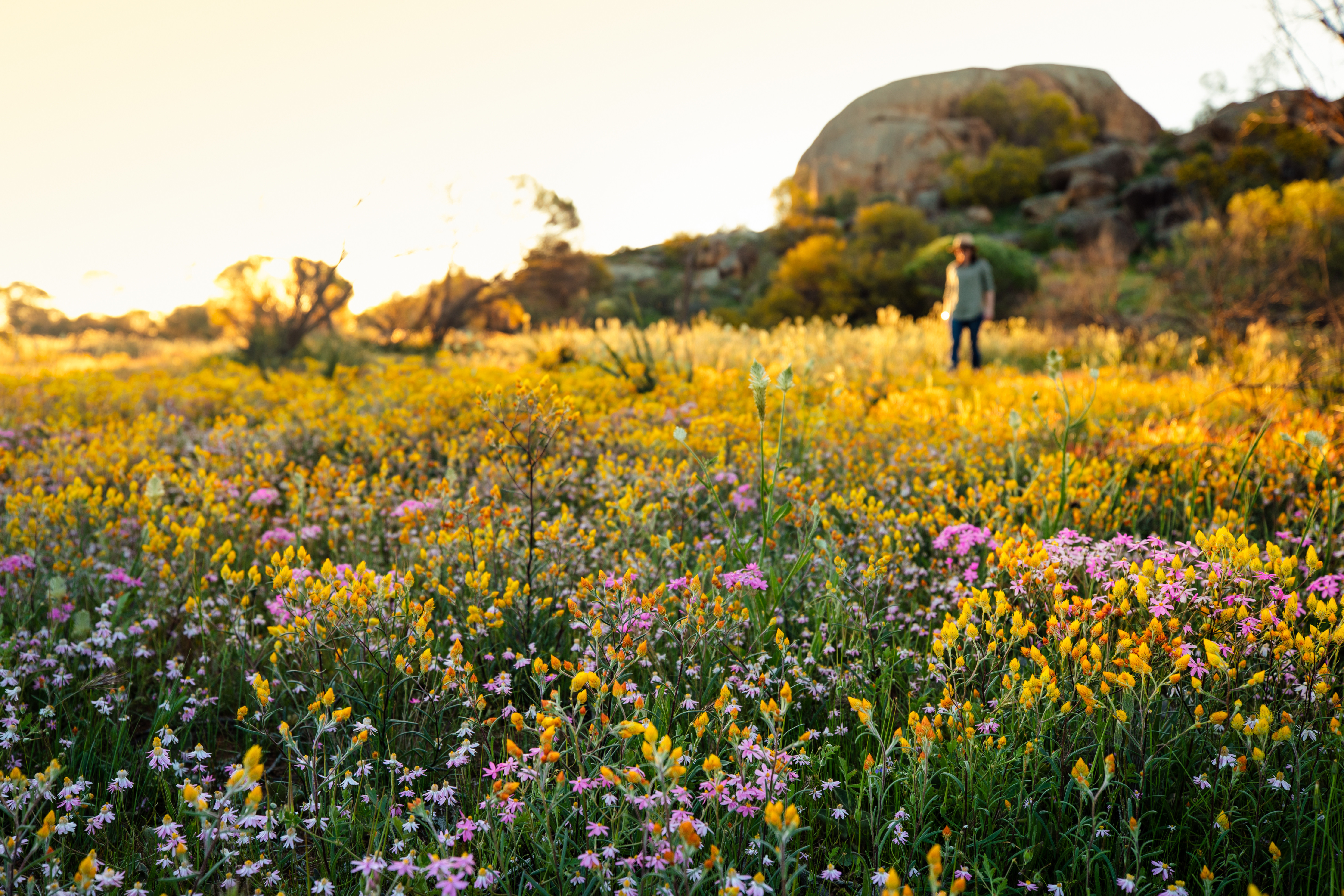
From August onwards, Western Australia’s wildflower wave starts to descend down into the northern Wheatbelt - and you’ll soon start to see dazzling arrays of wildflowers and fields of canola spreading across the landscape. Even on a dry year, the orchids tend to come out in abundance, but on a good year, the Wheatbelt has some of the best wildflower displays in the world.
One of the biggest regions in the state, the wildflowers of the Wheatbelt are as varied as the landscapes - from rolling hills and Monastic towns to farming hotspots, huge salt lakes and giant granite rocks dotted with colourful paper daisies.
In terms of flowers, you can expect to find everything from everlastings, pom poms, mulla mulla, wreath flowers, verticordia, banksia, sundew, mouse ears, fringed lilies, boronia, verticordia, scented custard powder grevillea, eromophilia, phebalium, macrocarpa, bottlebrush, thousands of varieties of orchid, and many more.
Download the 2024 Central Wheatbelt Wildflower Guide here - updated 9 September 2024
The Northwestern Wheatbelt - Wildflower Country
The northeastern Wheatbelt is one of the best places to see wildflowers in Western Australia, with carpets of everlastings and wreath flowers attracting visitors from all over. Encompassing part of the Golden Outback, Wildflower Country also extends further west to the coast, including Mullewa, Coalseam Conservation Park, Mingenew and Coorow.
• Morawa - the bush around Morawa is filled with colourful blooms every spring, including native foxgloves. Koolanooka Springs, Bilya Rock & War Rock are also worth a visit.
• Perenjori - you can often find wreath flowers here along with amazing carpets of wildflowers, especially further out towards Camel Soak and Karara Rangeland Park (4WD).
• Wubin - around Wubin and Dalwallinu the wildflowers can be spectacular. Highlights include Petrudor, Jibberding, Xantippe Tank, Buntine Rock (4WD) and Mia Moon.
• Dalwallinu - famed for its wattle and its wildflowers, the Gateway to Wildflower Country is a great place for flower-spotting. Home of the Wattle Week Festival every September.
• Wongan Hills - Wongan Hills is a wildflower hotspot, boasting over 1,200 species, including stunning orchids and rare endemic plants found only in this area. Reynoldson’s Reserve is especially renowned, hosting the annual Reynoldson Reserve Festival, a celebration of wildflowers with vibrant displays, guided tours, and a chance to experience everything Wongan Hills has to offer. Gathercole Reserve, Flat Rock, Dingo Rock, Christmas Rock, and the Wongan Hills Wildflower Walk are also fantastic spots to explore and enjoy spectacular blooms throughout the year.
Take a peek at the three-day Wildflower Way and Everlastings Wildflower Trail self-drive road trip itineraries for more inspiration.
The Northeast Wheatbelt along the Wheatbelt Way and Pioneers Pathway
Northeast of Perth, the Wheatbelt Way and Pioneers Pathway are amazing road trip trails that encompass heritage towns, pioneer history and amazing views over the bush, with rolling hills, salt lakes and huge granite rocks that spring into colour after a nice wet winter.
• Beacon – Orchids, including spider and blue fairy, can be found around the granites, including Datjoin Rock and Billiburning Rock. The roadsides around Beacon are starting to look beautiful with pink Hakeas and Grevilleas making a show amongst the yellows of the various Acacia species. Gorgeous blue Dampiera, Native Fox Glove, Quandongs and Sandalwood fruiting, and some Mallees flowering too.
• Bencubbin – Wattles (Acacia) bursting out in brilliant yellow blooms and Native foxglove (pityrodias) on the Mukinbudin-Bencubbin Road. At Marshall Rock the walk trails offer spectacular views.
• Dowerin - At Tin Dog Creek Reserve there’s an array of birdlife and flora. When travelling to Wyalkatchem, Namelcatchem Reserve on 3 corners of Minnivale - Cunderdin intersection is a great spot to explore, before heading to Historic Minnivale townsite and cemetery.
• Koorda - Colourful tall dark mauve Verticordia sp. on roadsides close to Koorda. Call into the Koorda Community Resource Centre (Mon-Fri) for locations and view the wildflower interpretation display. Visit Mollerin Rock, Newcarlbeon Rocks & Koorda Native Flora Reserve enjoy a picnic or camp out amongst Wheatbelt bushland.
• Wyalkatchem - Some great flowering reserves, including Walk-A-Wyal Trail, Wyalkatchem Reserve and Korrelocking Reserve. Find rare orchids, sundew, everlastings and fauna including Echidnas, Dunnarts, Blue Breasted & Red-Capped Robins.
• Trayning - At Billyacatting Reserve explore the two marked walk trails. White flowered sundews (Drosera sp.) insect eating plants at the damp base of the rocks. The Trayning Gnamma Holes located north of Trayning on Bencubbin Road find orchids including spiders, donkeys and fairy.
• Nungarin - Explore Eaglestone Rock, Talgomine Reserve and Danberrin Hill botanical walks and smell the fragrant Vanilla Bush (Grevillea sp.) and Kunzea pulchella splashing vivid colours of red. Visit the National Trust heritage listed Mangowine Homestead 14kms north.
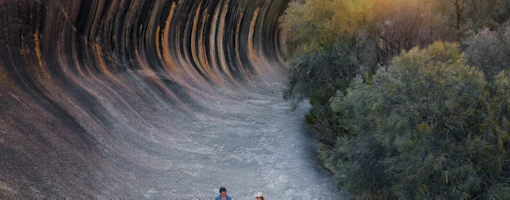
• Westonia - Head out to Elachbutting Rock, a prominent landmark with a colourful ‘wave formation’, a 30m tunnel called Monty’s Pass and ‘Kings Cave’. Explore the base of the east side of the rock for Donkey Orchids and other shade lovers. Or closer to town, Sandford Rock Nature Reserve has a great marked walk trail to explore the wildflowers and birdlife.
• Mukinbudin - See Acacia, Senna, Hakea, Quandongs and purple Dampiera. On and around the rocks at Wattoning, Beringbooding and Weira Reserve purple Calytrix, yellow Hibbertia and red flowering Kunzea. At Beringbooding Rock 72km north east of Mukinbudin there are pink tea tree, Acacia’s, Grevillea’s Hakea’s, Calothamnus, Eromophila, Cassia, Quandongs, Sandalwood and native orchids.
For more info on wildflowers in the northeastern Wheatbelt, take a look at Pioneers' Pathway and Wheatbelt Way self-drive road trip itineraries.
The Central & Eastern Wheatbelt along the Eastern Wheatbelt Self-Drive Trail
During spring, you can see wildflowers all along the side of the road and in the reserves as you traverse the Great Eastern Highway. Roughly following the Golden Pipeline with its precious water cargo between Mundaring and Kalgoorlie, you’ll find heaps of native wildflower hotspots, but these are just a handful of our favourites.
• Cunderdin - Cunderdin Hill offers great views over town, a great spot for everlastings and a variety of flora in season. Bulgin Rock Reserve 18kms west of town is a great spot for a picnic and wildflower exploring.
• Tammin - Charles Gardner Reserve, an area of 600 hectares of natural vegetation 14 kms south of Tammin. It contains a wide variety of wildflowers and understory. Yorkrakine Rock situated 26 kms north of Tammin is a solid granite outcrop. An area of native flora surrounds the outcrops which is one of the largest in WA.
• Merredin - Merredin Peak, Totadgin Conservation Park and Tamma Parkland explore the walk trails around the rocks and park to discover the local flora and fauna. Collgar Scenic Drive follow the 70km drive taking in Bulls Head Road close to the windfarm for a feast of trees, shrubs and perennials in flower now along the roadsides. Continue onto Scott Road (Merredin’s Flora Road) Collect a Collgar Scenic Drive guide from the Central Wheatbelt Visitor Centre.
• Kellerberrin - Kellerberrin Hill offers great views over the town and lovely wildflower spot in season. Follow the flowers along the Trayning / Bencubbin Road to Durokoppin Reserve. This 1500 acre reserve of woodland, heath and mallee supports a wide variety of flora and fauna. A colorful array of species, tea trees, acacia and grevillea and many more.
• Southern Cross - Visit the Shire of Yilgarn administration office to grab a copy of the Yilgarn wildflower brochure and follow their wildflower drive which takes in Frog Rock, Keokanie Rock and Baladjie Rock. The Great Eastern Highway between Southern Cross and Coolgardie has a number of reserves to explore including Karalee Rock and Dam.
• Westonia - Follow the Woodlands & Wildflowers Heritage Walk around Westonia to see number of flora species. Explore Sandford Rocks (on Boodarockin Rd) 14km north of town a popular wildflower and birdwatching area with a bird hide. Bodallin Soak on Stoneman Road, 6kms west for town for trees & shrubs in flower.
Feeling inspired? Check out the Eastern Wheatbelt Self-drive Trail and Goldfields road trips: the Eastern Wheatbelt Self-drive Trail, Granite & Goldfields Wildflower and Goldfields Wildflower Trail to find out more.
The Eastern Wheatbelt along the Pathways to Wave Rock
While it isn’t really surprising how different parts of the Wheatbelt can be from others, given the sheer size of it, it can still feel like you’re visiting a totally different region, where the climate and landscapes are different, and the wildflowers are too. Here are some of the best places to see wildflowers in the eastern Wheatbelt.
• Beverley - Many locations to explore for the wildflower enthusiasts. One favourite that does not disappoint and is located within walking distance from the RV park is the Brooking Street Reserve. Explore other beautiful locations at Dale River Reserve, Poison Hill and Avondale Farm.
• Quairading - Lots of Orchid varieties spotted at the Golf course adjoining Nookaminnie Rock. Quairading Nature Reserve is also a lovely spot in wildflower season.
• Kwolyin - At Kwolyin Reserve take the walk trails around the old townsite and Coarin Rock, where you can find orchids, flowering annuals and Sandalwood. Kokerbin Rock is 9km north of Kwolyin campsite and well worth the climb to the top during wildflower season.
• Bruce Rock - At Kwolyin Reserve take the walk trails around the old townsite and Coarin Rock where you can find flowering perennials, shrubs and Sandalwood. Kokerbin Rock is 9km north of Kwolyin campsite and well worth the climb to the top during wildflower season. At Bruce’s Rock the reserve has two stone lined wells from the early settlement. Jura Wildflower Drive starts at Quarry Road, 2km north of town is a colorful drive trail in season
• Narembeen - Hidden Hollow, Twine Reserve, Roe Dam and Anderson Rock Reserve are the ideal spot to find orchids and other wildflowers in bloom. Check out the new Wadderin Information Centre and Walk Trail to the north of town, follow the Mallee Fowl or Woylie walk trails for a gentle walk through the eucalypt woodlands and mallee shrublands.
• Corrigin - In the town, visit Corrigin Rock and the cemetery bushland or wander in bushland reserves. Caladenia Orchids range from tall stark white Spiders, green Mantis, Clowns, a myriad of wispy spiders, pink fairies and Cowslips. Strongly scented white custard powder Grevilleas, spiky yellow Dryanda Purdieana, climbing white and yellow Drosera Sun-dews, massed yellow stars on Phebalium filiferum shrubs in bloom, Corrigin Wildflower Drive 5km west of town opposite the Corrigin Dog Cemetery. The drive is a wide, graded gravel track roughly 4.1km long.
• Kondinin - Yeerakine Rock (Sloan Road 12km from Kondinin) has orchids out now and more to come. Some to look out for include the Donkey Orchid, Pink Candy Orchid as well as the Broom Milkwort. Bendering and North Karlgarin Reserves are starting to flower with Acacia, Hakeas, Grevilleas and Phebalium.
• Hyden & Wave Rock - Follow the walking trails around Wave Rock where the bush is starting to bloom. The Hippo’s Yawn loop takes you through bushland where you will see Acacia, Hakea, Grevillea, Callistemon and numerous orchid species.
• Kulin - Hopkins Nature Reserve is an important flora conservation area. North Jitarning Nature Reserve is perfect to walk through and experience many different vegetation areas. The Macrocarpa Walk Trail located 1km west of Kulin is a good spot for seasonal wildflowers.
• Lake Grace - Known for its western mallee, noted biologically for its diverse range of flora and high number of indigenous plant groups, including Grevillea, Hakea, Eucalypts and Acacia. Within the reserves and roadsides, you will find many other beautiful flowering shrubs and trees. Jam Patch a popular free campsite 19km north of Lake Grace there are sugar, donkey and spider Orchids currently in bloom. Tarin Rock Reserve have pretty pink Cloanthus and Grevillea excelsior along the roadside.
Discover even more about the wildflowers in the eastern Wheatbelt on the Wave Rock Wildflower or Coastal Wildflower Trail road trips.
Southern Wheatbelt
Southeast of Perth, the Southern Wheatbelt is another prime place to see wildflowers in Western Australia, with places like Dryandra Woodland and Williams Reserve just about close enough to make a wildflower day trip from Perth.
• Dumbleyung -
• Dryandra Woodland - home to plenty of native flora and fauna, including an abundance of wildflowers during spring, you can also stay overnight and take the Barna Mia nocturnal wildlife tour.
• Pingelly - Tutanning Nature Reserve offers a quiet, natural escape, with spectacular spring wildflowers from August to November. Dormitory-style accommodation is available, providing a peaceful base to explore this bushland island for rare orchids and endangered wildlife.
• Cuballing - Yornaning Dam Reserve is a great spot for spring wildflowers, particularly Custard Orchids in October.
• Narrogin - there are heaps of great places to go wildflower spotting around Narrogin, including Foxes Lair Nature Reserve, Yilliminning Rock and Highbury Nature Reserve, where you can see everlastings, orchids and kwongan flowers.
• Harrismith - Take the walking/cycle and drive trails in the Harrismith Nature Reserve for a wonderful kwongan wildflower display in Spring
• Malyalling Reserve - Rare and unique wildflowers are on display at the Malyalling Reserve during spring and summer. Spider and donkey orchids can be found at the reserve located 15km north of Wickepin.
• Williams - Just off Albany Highway, Williams Nature Reserve is another great spot to see an array of colourful wildflowers - and a nice easy stopover on the way down south.
• Yealering - about 27 km north of Wickepin, surrounds a saline lake system. Walks around the wetland edges reveal reserves carpeted in native wildflowers under the local woodlands
For more inspiration, check out the Wheatbelt & Winery Trail or the 7-10 day Esperance Wildflower Trail.
Where to see Wildflowers in the Goldfields
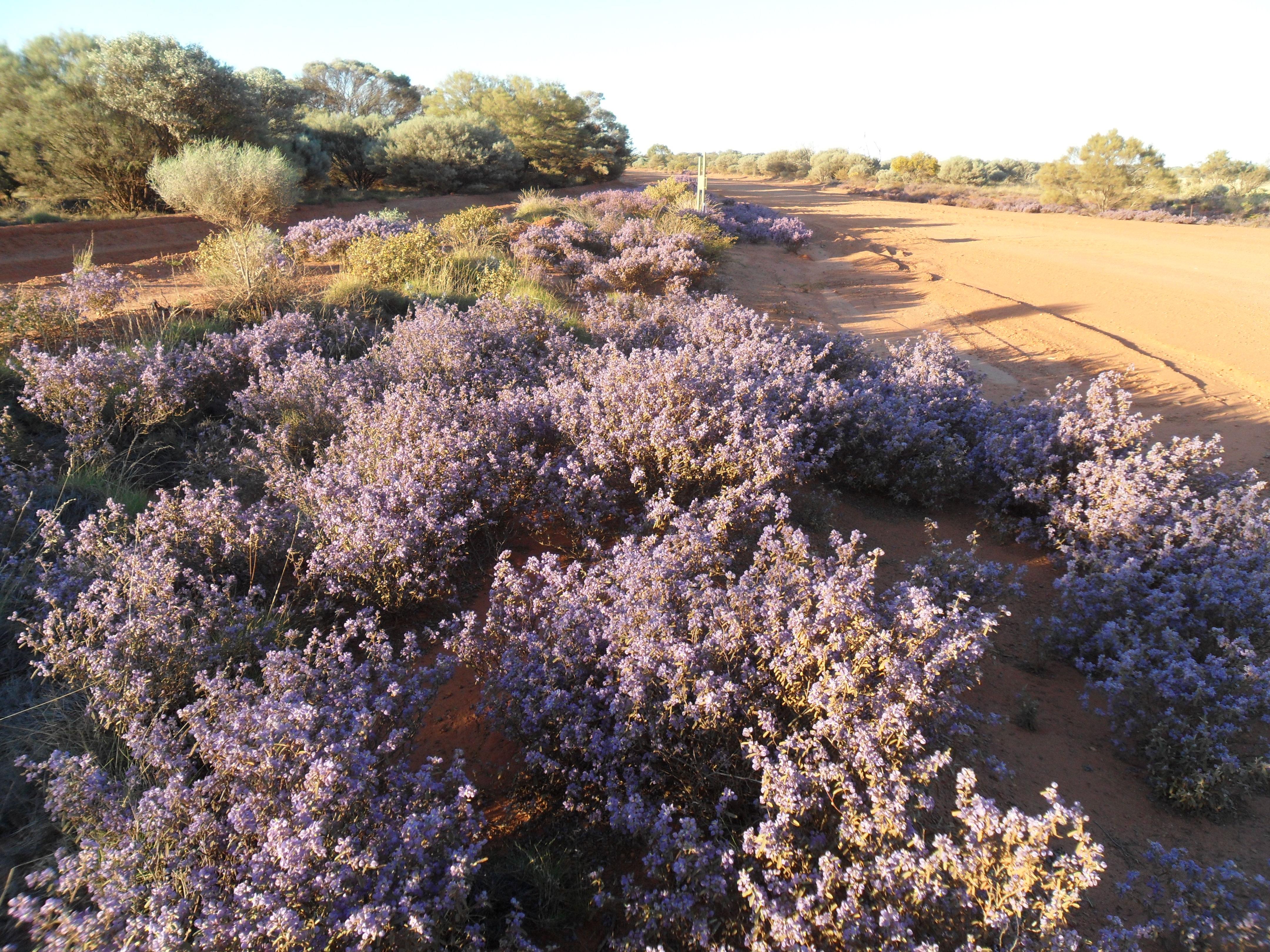
While you can usually start to see the first signs of wildflowers in the Goldfields from August onwards, wildflowers out here can be a little bit of a mixed bag. In a good year, they can be absolutely spectacular, while in a not-so-great one they can be a little shy and don’t quite put on the epic displays they do after very wet winters.
Fortunately, the Goldfields wildflower hotspots also line up with the best attractions in the Goldfields - from the epic statues at Lake Ballard to the spooky gold-rush ghost towns and the rich architecture and heritage of Kalgoorlie, along with the fascinating story of the Golden Pipeline and the starry night skies. And, with perfect temps, spring is the ideal time to visit anyway, so the wildflowers are just the cherry on the cake.
Wildflower-wise, you can expect to see mulla mullas, bush tomatoes, eremophilas, sundews, everlastings, sturt peas and a whole plethora of orchids, amongst many more.
• Coolgardie - there are plenty of wildflower hotspots along the Great Eastern Highway into Coolgardie, like Yellowdine Nature Reserve, Karalee Rock, Boorabin National Park and Boondi Rock. Around Coolgardie itself, you can usually find eremophilas, native hop bushes, mulla mullas and bush tomatoes.
• Kalgoorlie-Boulder - one of the best places to see wildflowers in the Goldfields is Karlkurla Bushland Park, where you’ll find plenty of wildflowers endemic to the region, including eremophilas, jam wattle, tan wattle, Goldfields hop bush, thorny hovea, lemon-flowered gum, Goldfields daisy, cassia and westringia rigida.
• Menzies & Lake Ballard - not only is Lake Ballard one of our favourite places in the Golden Outback, it’s also a great spot to see bush flowers, wattles, native cornflowers, everlastings and eremophilas. You can also see them around Goongarrie, Niagara Dam and Kookynie. Menzies Cemetery also usually has lots of flowers blooming around it and you can sometimes see sturt peas on the road up to Menzies from Kalgoorlie.
• Leonora & Gwalia - the Leonora Loop Trails are a good place to start when wildflower-searching in the Goldfields. You can usually see everlastings, smoke bush and billybuttons, along with purple flannel bush.
Want to know more? Take a look at the Granite & Goldfields and Goldfields Wildflower Trail road trip itineraries.
Where to see Wildflowers in Esperance, Fitzgerald Coast, Norseman & the Nullabor
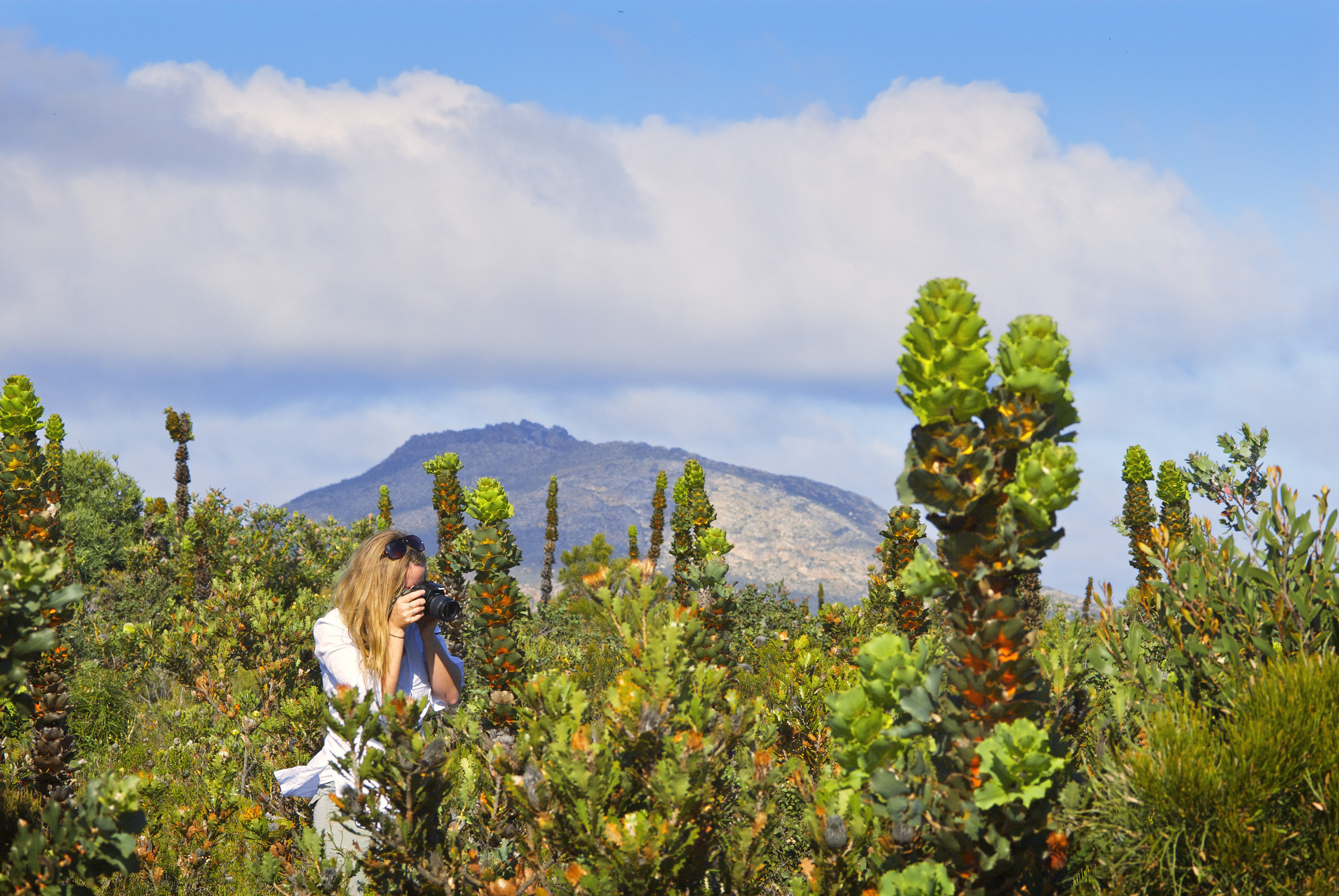
By the end of August/early September, Western Australia’s wildflower wave has usually started to make its way south to the coast, where the National Parks are transformed with vibrant colourful blooms, perfectly contrasted against the colours of the ocean. This is also prime whale-watching season in Esperance - just in case you needed another excuse to visit this beautiful part of the world.
There are also two festivals every September that celebrate and showcase wildflower season down here: the Esperance Wildflower Festival and the Ravensthorpe Wildflower Show and Spring Festival, so be sure to check them out if you’re in town.
Flower-wise, the region is home to many different varieties of wildflowers, including the royal hakea, cauliflower hakea, taxandria marginata, pink-flowered silver tea tree, leptospermum sericeum, redcaps, dainty wedding brush, ricinocarpos pilifera, banksia and even the carnivorous utricularia menziesii, along with the beautiful qualup bells, acacia, wattles and orchids.
• Esperance - check out the wildflowers at the Dempster Head Walk Trail, Woody Lake Nature Reserve, Lake Moningup and the Great Ocean Drive. Esperance Wildflower Festival is also amazing, with over 500 different local species.
• Dempster Head & Rotary Lookout - Panoramic views of Esperance and the Recherche Archipelago. The trail offers two loops, ranging in distance and difficulty. During late spring, this site boasts impressive orchid colonies and the remainder of the year displays of Bluegrass Lilly, Pom-pom Darwinia, Eucalyptus mallee species and numerous Banksia species.
• Woody Lake Nature Reserve - Kepwari - Walk along the Kepwari Wetland Trail through pristine wetlands that provide an intimate experience with this critical and unique ecosystem. Wander through fringing sedgelands, Melaleuca thickets, heathlands, under Banksia canopies and over dune ridges.
• Lake Moningup - Murdidyinakabi - Lake Monjingup features an over-water boardwalk, winding through a sensitive Paperbark wetland. A 1km loop walk trail offers views of diverse Proteaceae and Myrtaceae species rejuvenated by a fire in 2015. The vegetation in the Lake Monjingup Reserve shows the typical vegetation community along the Esperance sandplains.
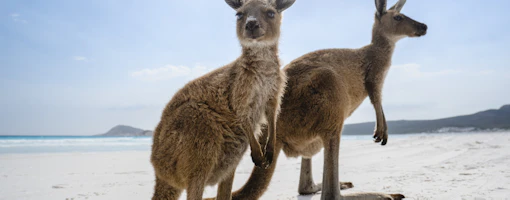
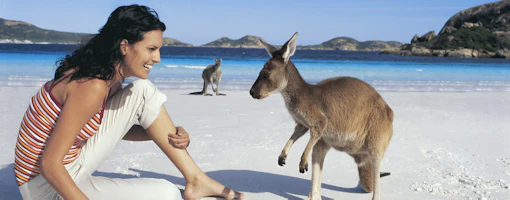
• Cape Le Grand National Park - while Cape Le Grand might be best known for Lucky Bay and its kangaroos, the park is especially stunning in spring, with flowers everywhere you look. Climb Frenchman Peak for epic views.
• Mount Ridley - Marbeleerup - Marbeleerup is a granite outcrop, with phenomenal views from the summit. During spring the road side brims with wildflowers, however in winter 4WD only is recommended. There are two main trails to explore, one leading to the summit and another revealing an impressive wave rock. It has many granite specialist plants, including Orchids, Hakeas, Borya, Allocasuarinas and Cypress Pines. It is a special place to the local Nyungar people, so please treat it with respect.
• Stokes National Park - Benwenerup - A wide range of habitats support some amazing vegetation communities, such as thick yates and paperbarks along the inlet, coastal heath on the beaches, sand dunes and Melaleuca/Eucalyptus bushland in between. The floral highlight of the area is the magnificent yellow flowers in autumn of the Bell-Fruited Mallee.
• Ravensthorpe - home of the Ravensthorpe Wildflower Show & Spring Festival and the beautiful qualup bell flower, along with some larger than life year-round banksia blooms on the Ravensthorpe PUBLIC Silo Trail.
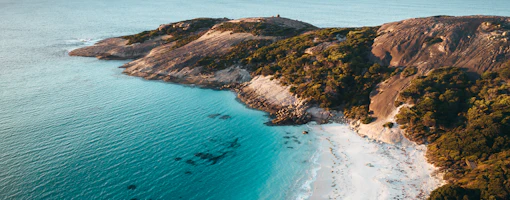
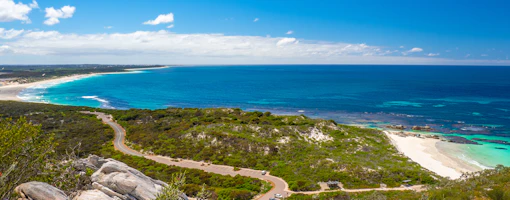
• Fitzgerald Coast - the Fitzgerald River National Park is one of the best places in WA to see wildflowers, where the rugged rocky coastline and ancient mountain ranges play host to over 1,800 different varieties of colourful wildflowers every spring.
Raring to hit the road? Check out our five-day Coastal Wildflower and 7-10 day Esperance Wildflower Trail road trips for more wildflower trip planning inspiration.
Wildflower Road Trips

2 Day Granite Wildflower Trail
Embark on a mesmerizing two-day wildflower journey from Perth to Merredin and be captivated by a vibrant showcase of native flora as you traverse…
 3 - 5 Days Perth to Morawa Return
Everlastings Wildflower Trail
Take a road trip to see the everlastings boasting 'carpets' of yellow, white and pink stretching as far as the eye can see. Everlastings typically…
 3 days - Northern Wheatbelt
Wildflower Way
This stunning wildflower route will take you from Dalwallinu through the stunning Northern Wheatbelt towns, finishing in coastal Geraldton. Each…
 8 days - Esperance & Fitzgerald Coast
Esperance Wildflower Trail
Buckle-up for a technicolour adventure. Over eight days and almost 2,000 kilometres, a profusion of native wildflowers stream past on this road trip…
 7 days. Wheatbelt
Granite Loop Wildflower Trail
The golden-hued Wheatbelt provides a visual, natural and cultural smorgasbord on this wildflower adventure covering 7 days and looping over 843…
 9 - 12 days. Gascoyne Murchison Region
Northern Explorer Wildflower Trail
On this northern-bound wildflower adventure a wonderland of Heritage-listed national parks, rugged coastline and ancient rocks awaits the intrepid…
 7 days - Wheatbelt & Goldfields
Wheatbelt & Goldfields Wildflower Trail
Blaze through the goldfields on a magic carpet ride of wildflowers. On this 7 day, 1,765 kilometre adventure, you’ll experience technicolour…

3 Day Winery, Woodlands and Wheatbelt Trail
Drive through picturesque farmland to boutique wineries, take superb nature walks and view local nocturnal wildlife and granite outcrops.

4 Day Granite & Goldfields Wildflower Trail
Take the Granite and Goldfields Wildflowers Drive in spring time and enjoy a leisurely drive through some of Western Australia’s best wildflower…

5 Day Coastal Wildflower Trail
The Coastal Wildflowers Self Drive takes you on a journey of discovery through spectacular natural scenery that is home to some of Western…
 9 Days. Gascoyne Murchison Region
Road to the Rock
If you’re looking for a rugged, authentic outback escape, with some of the most renowned 4WD trails in the world, the Gascoyne Murchison needs to be…

Wildflower Shows
Western Australia’s Golden Outback is in bloom and it’s never been easier for visitors to see the rare and natural phenomenon with tours on offer and three wildflower shows confirmed. Find out more here.